A brief history of Neasden Film Studios.
1913
Industrial beginnings
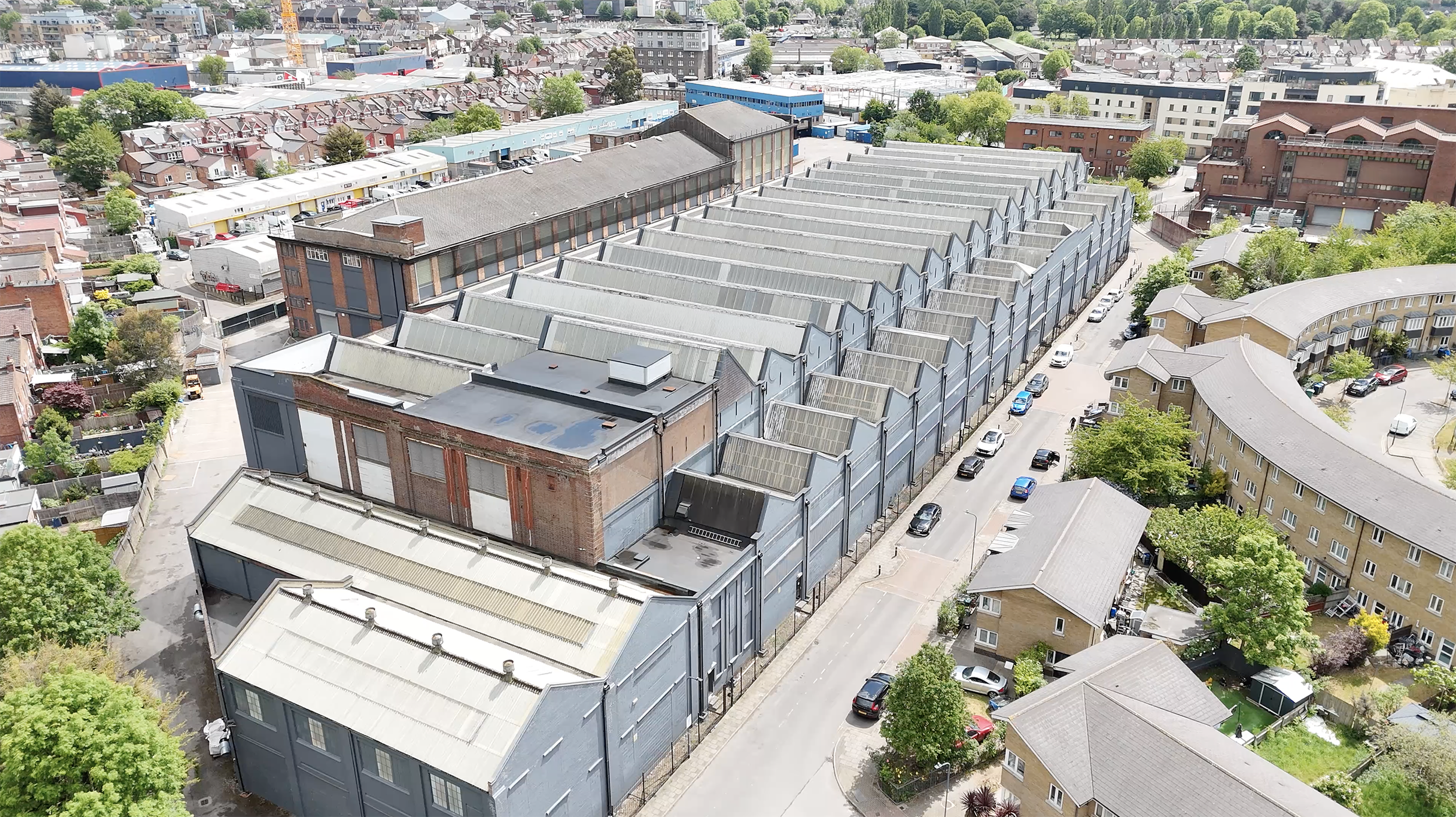
Neasden’s industrial story begins in 1913, when British Thomson-Houston, known as BTH, built workshops on the former cricket field north of St Mary’s vicarage, helping to transform Church End from open land into one of Willesden’s key industrial districts. BTH was a subsidiary of the American General Electric Company, and its Willesden plant specialised in switchgear equipment, the circuit breakers, fuses and switches used to control electrical systems. By 1919, the works employed 462 people.
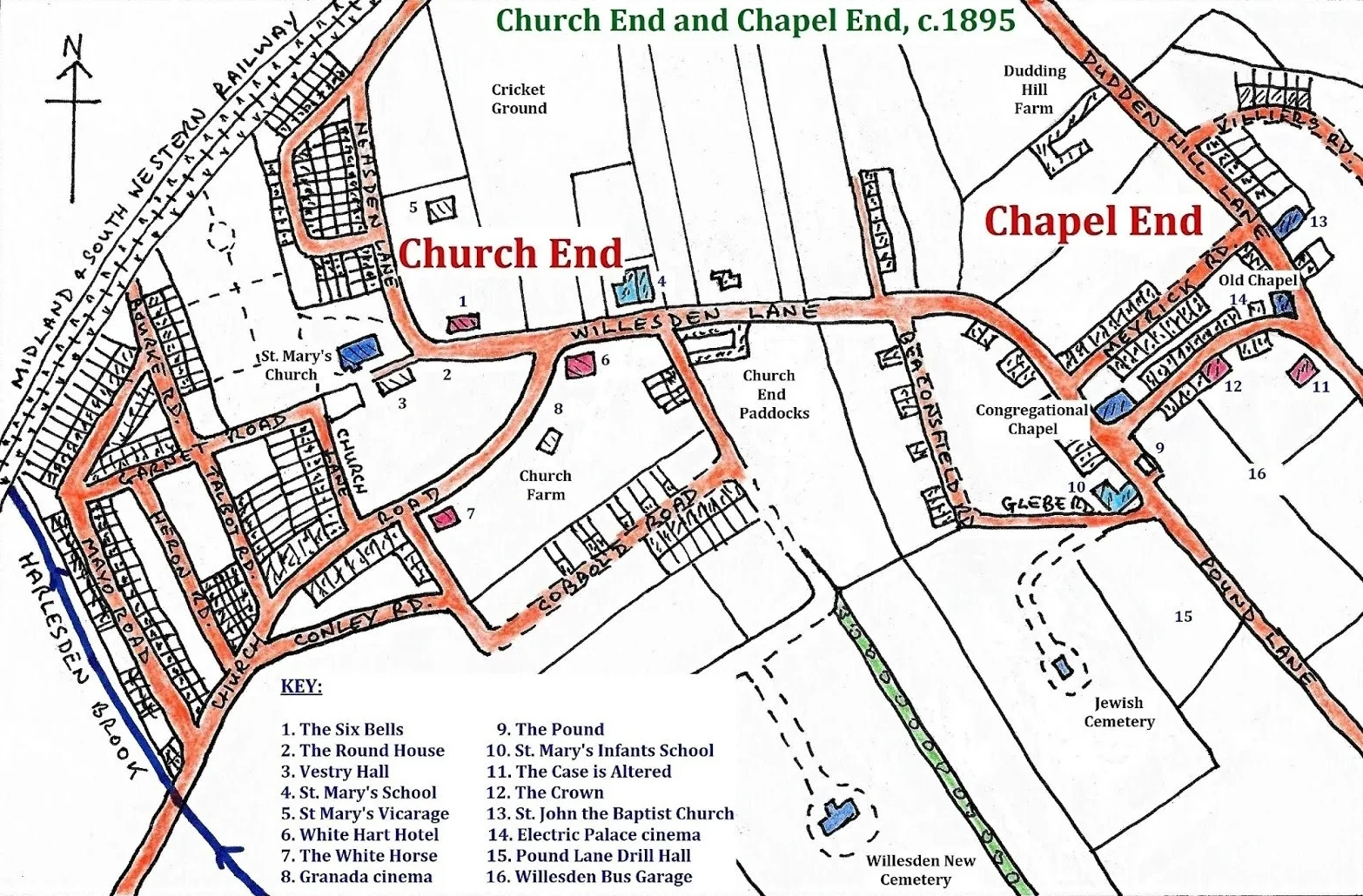
1895 Map depicting the area and cricket ground where BTH was later built.
1930s - 1940s
Supporting Britain's war effort
Before and during the Second World War, the BTH works diversified beyond switchgear into wartime manufacturing. Producing lighting, radio and signalling equipment for the Royal Navy, as well as magnetos, compressors and starting switches that supported the RAF during the Battle of Britain, as well as tank-related engineering. By 1949, around 2,000 people were working at the Church End factory. Large open spans, steel construction and heavy-duty floors designed for industry - are the same features that make the buildings ideal for film production today.
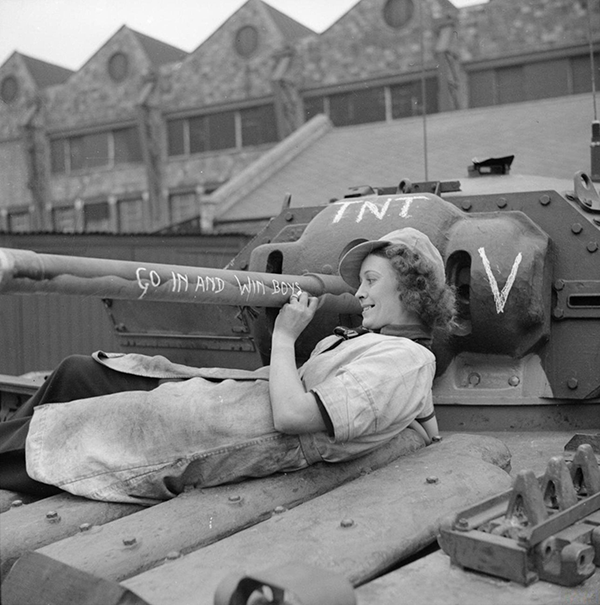
A woman worker from the B.T.H. (British Thomson-Houston) factory in Neasden Lane, London, chalks a message on the barrel of a Covenanter tank of Guards Armoured Division, 22 September 1942
1960s
A new chapter
By the late 1960s, the former BTH works was operating as the GEC-AEI switchgear factory. In February 1969, Parliament debated the proposed closure of the factory, with the local MP describing it as a long-established works that had begun with BTH in 1913 and had developed world-famous switchgear designs.
After manufacturing wound down, the area entered a new commercial phase. Many vacated factory sites and workshops in Willesden were given over to warehouses, retail outlets, trading areas, builders’ merchants and other non-manufacturing uses. Neasden Film Studios was previously also a wine warehouse and, most recently, a carpet warehouse.
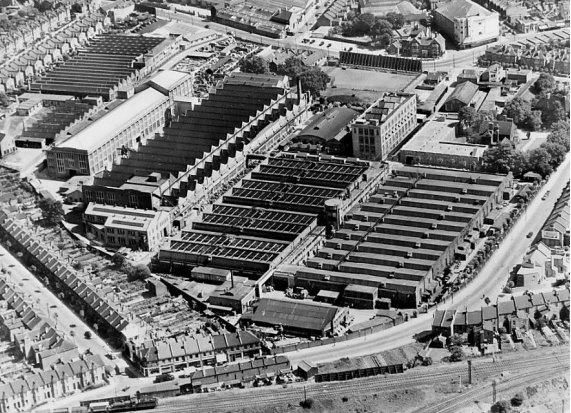
Aerial photograph of the GEC-AEI Switchgear factory circa 1953
1980s - 2000
A Family Business Takes Root
Founded in 1960 by Soli Kelaty, Asiatic Carpets helped transform the British rug industry by introducing handcrafted rugs from India and China to the UK market. Initially supplying oriental carpets to London retailers from his van and garage.
Soli’s daughter Sharon Kelaty joined the business in 1985, and his son Freddy Kelaty joined in 1994 as Asiatic expanded its operations and product ranges.
Over the following decades, the business grew into one of Europe's leading rug suppliers, with Neasden serving as one of its principal warehouse operations.
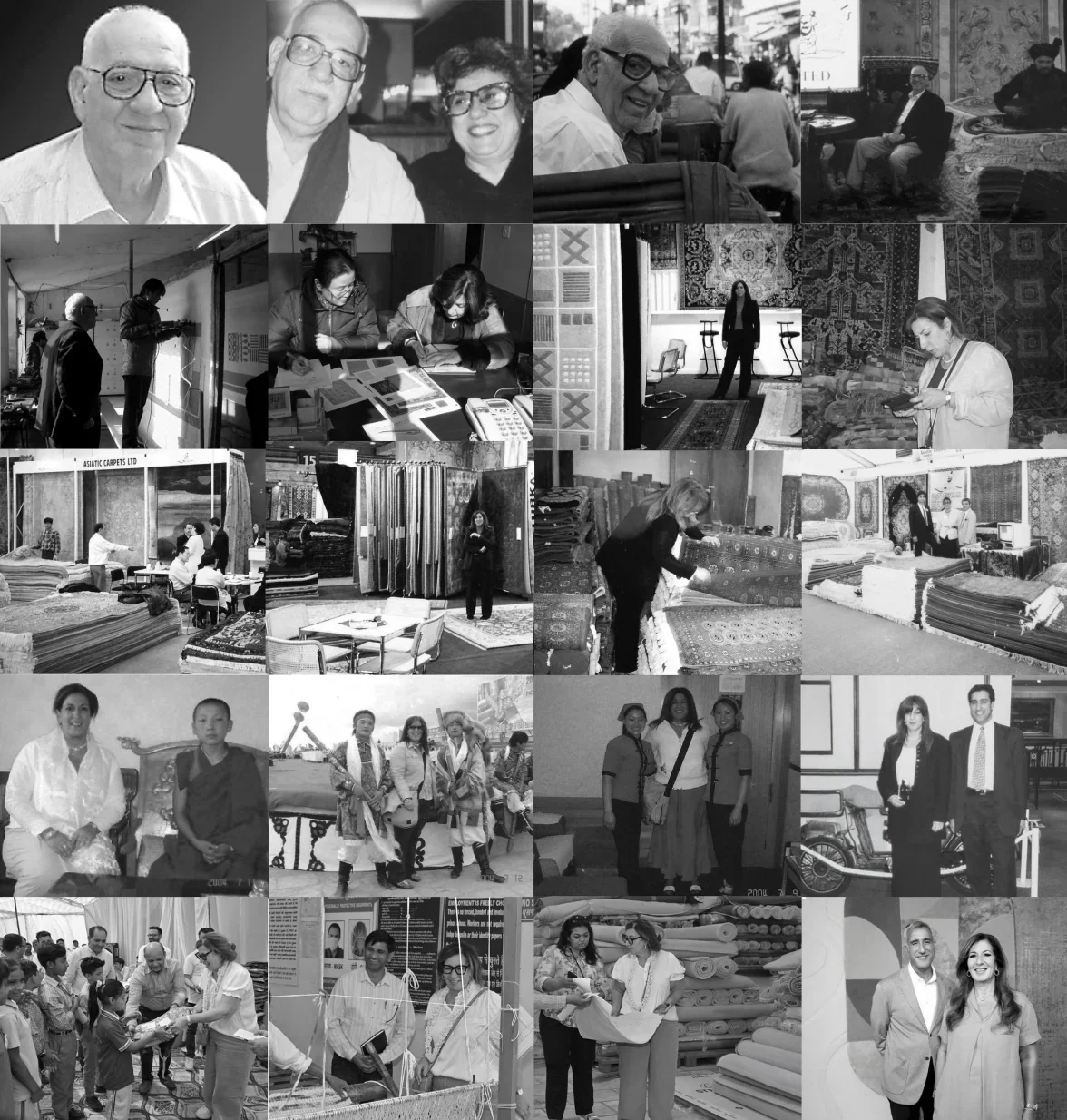
The Kelaty family.
2012
From warehouse to world-class sets
Building on the site's industrial heritage, Sharon and Freddy Kelaty reimagined part of the family-owned warehouse complex as Neasden Film Studios. Opening its doors with ITV's Mr Selfridge, the transformation preserved the site's legacy while giving it a new purpose. Today, Neasden remains independently owned by the Kelaty family, welcoming productions including Rogue One: A Star Wars Story, The Beekeeper, Peep Show and hundreds of commercials, music videos and creative projects.
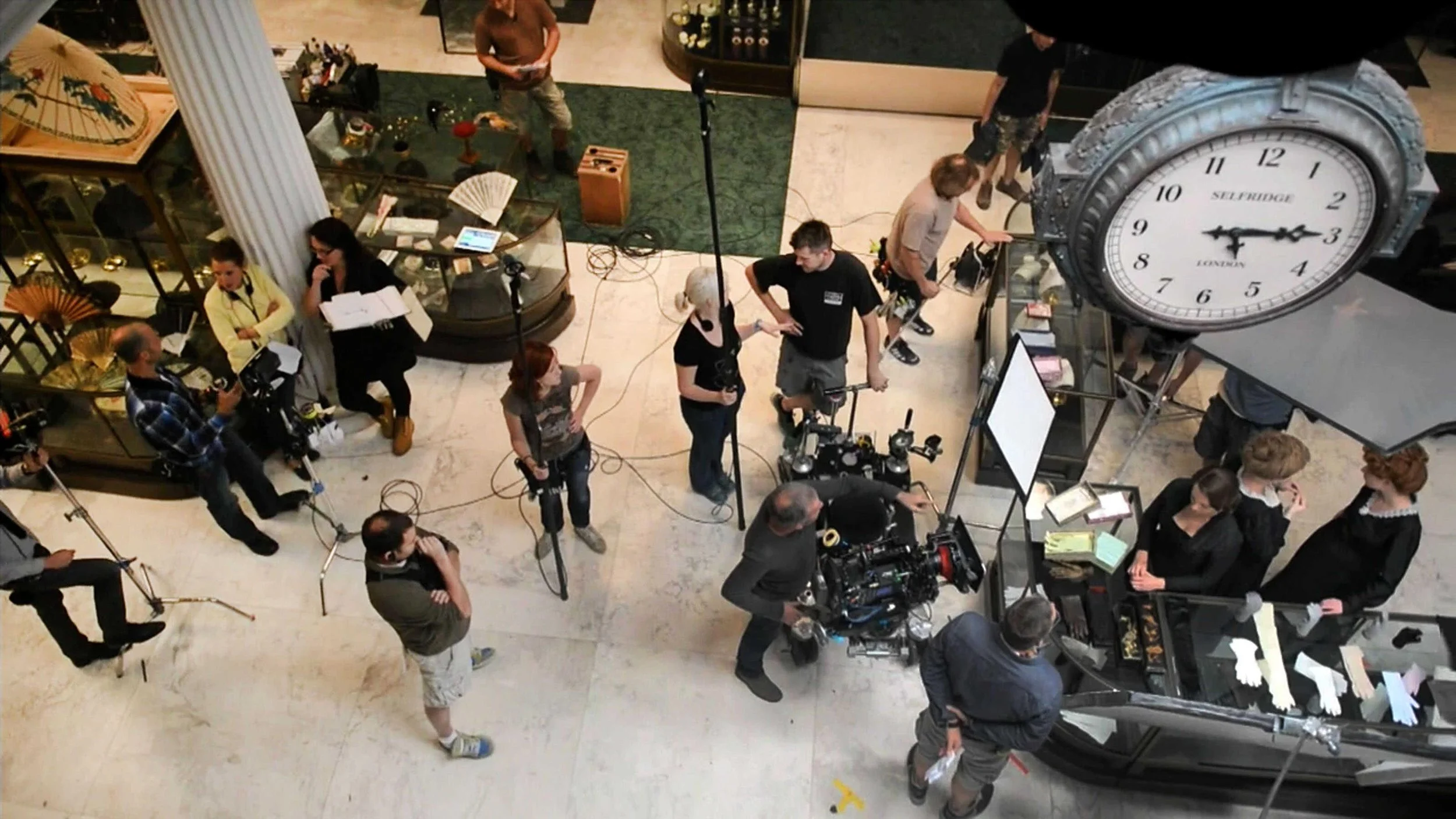
On the set of Mr. Selfridge
“ For over a century, these buildings have been places where things were made. Today, they continue that tradition - only now, the products are stories.”